From empowering initiatives to inspiring stories of change, this edition is packed with valuable insights and resources for everyone committed to creating a more equitable world. Download Below
Discover how radio is transforming lives in Lagos State, particularly for elderly women, through our Women’s Voice and Leadership Project. Our innovative programming promotes socio-economic inclusion, empowering marginalized communities and driving positive change. Explore our factsheet to learn more about our impactful initiatives and the inspiring stories of those we serve. Download Below
In a distressing turn of events, 30 mothers and widows, among others, find themselves spending another weekend behind bars after a Chief Magistrate Court in Lafia, Nasarawa State, remanded them at the Correctional Centre. The arrest and subsequent arraignment stemmed from their alleged involvement in violence and destruction of public facilities following the Supreme Court’s...
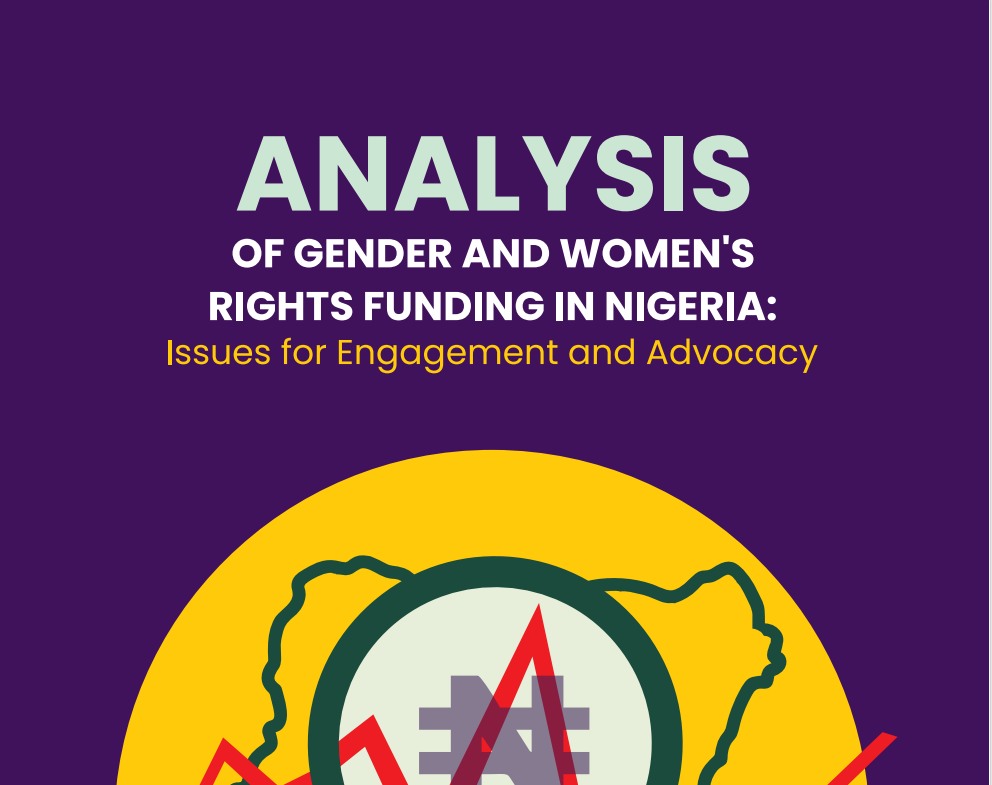
ActionAid-Nigeria in partnership with Global Hope for Women and Children Foundation facilitated the conduct of a research assessment on the analysis of gender and women’ rights fundings in Nigeria to understand contemporary issues to shape stakeholders’ engagement and priorities for advocacy to scale-up justification for donors and government to prioritize fundings for women’s rights programing...
ActionAid Nigeria (AAN) successfully hosted a one-day National Dialogue on November 29, 2023, at The Palms Hotel by Tropical Galleria Abuja, commemorating the 16 Days of Activism against Gender-Based Violence. This event, organized in collaboration with partners under the Women’s Voice and Leadership Nigeria project (WVL-N), funded by Global Affairs Canada (GAC), was aimed at...
A comparative analysis with other parts of the world would conclude that some African countries are doing relatively well, using the example of South Africa. This paper aimed to identify the status of women in South Africa and Nigeria with a historical review to point out factors that facilitated women’s increase in South Africa and...
The International Assistance Evaluation Division (PRA) of Global Affairs Canada (GAC) engaged JSA Consulting – International to undertake a Deep Dive Case Study in Nigeria, of the Women’s Voice and Leadership (WVL) program, a multi-country initiative to support women’s rights organizations (WROs). The WVL program was announced in 2017 with the adoption of Canada’s Feminist...
Women’s Rights and Health Project (WRAHP) is a registered women-led, Not-For-Profit organization that promotes the health and general development of women, young people and communities using the rights-based approach. WRAHP is also the Manager of the Ireti Resource Centre, a centre providing integrated legal and psychosocial support in a safe space for women, survivors of...