

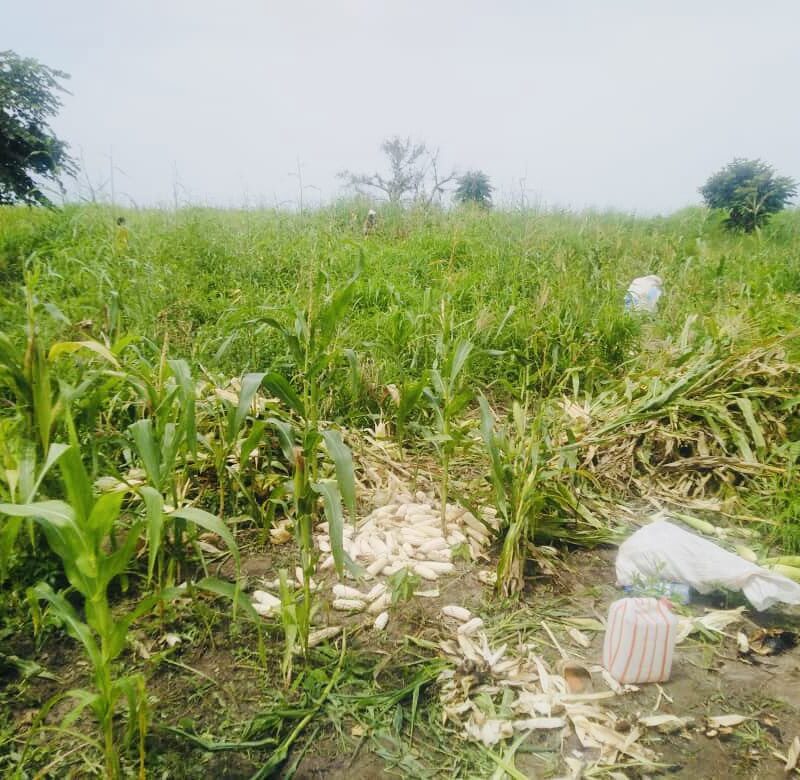
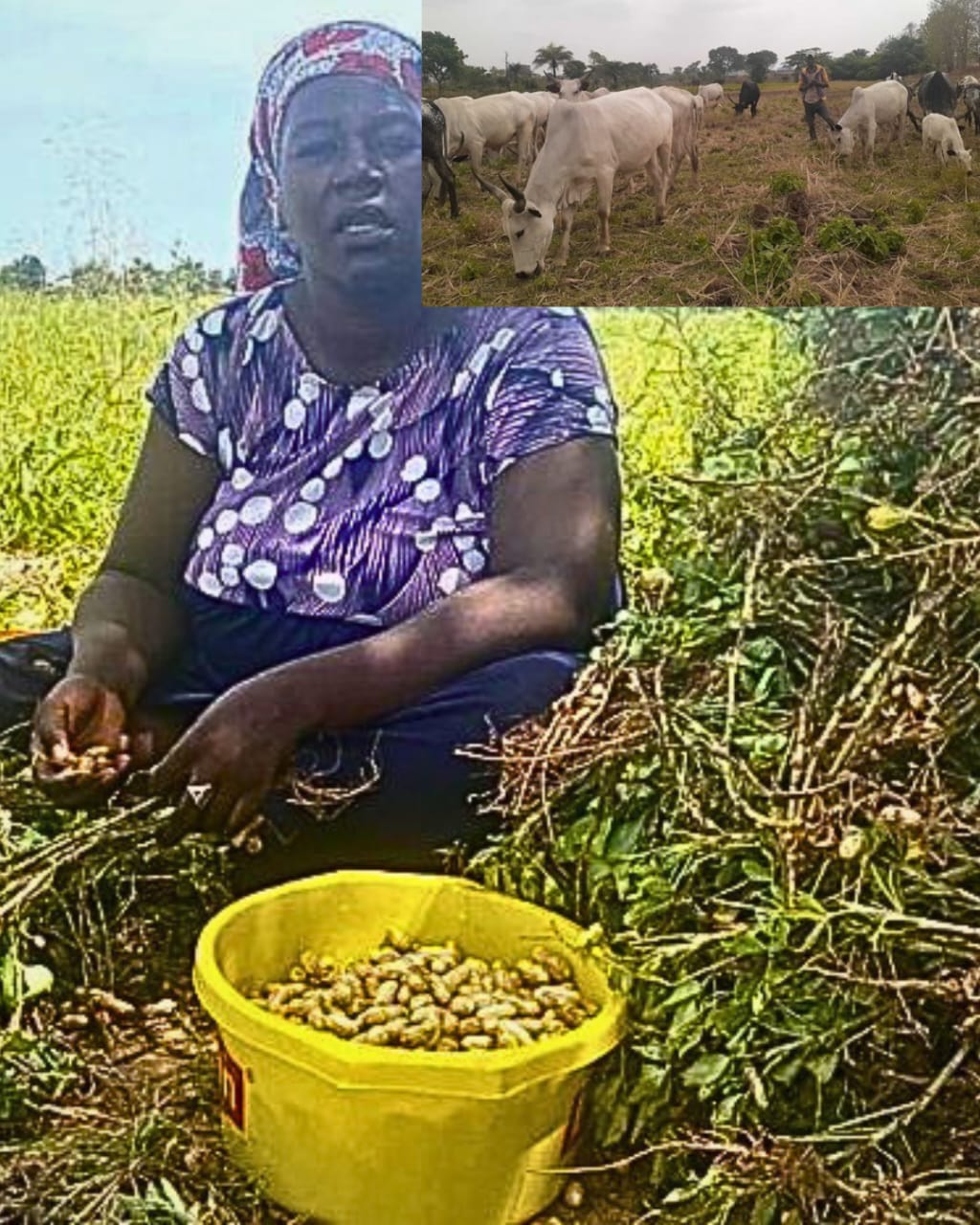
A significant share of Nigeria’s food is lost after harvest estimated at over ₦3.5 trillion annually. In rural farming communities, this loss is not experienced as a statistic but as a daily reality of spoiled produce, reduced incomes, and constrained livelihoods particularly for smallholder women farmers who carry a large share of production but bear disproportionate post-harvest risks.
This article argues that post-harvest loss in Nigeria is not a technical failure of storage alone, but a structural governance and gender equity failure embedded across infrastructure, finance, data, and climate-adaptive systems.
Despite policy recognition of gender gaps under Nigeria’s National Gender Policy in Agriculture, implementation remains weak, with less than 2% of agricultural budgets directed toward genderresponsive interventions. This reflects a broader mismatch between policy intent and the institutional systems required to support equitable food system transformation.
Smallholder women farmers are central to agricultural production, with an estimate of 60-70% of Nigeria’s agricultural workforce yet remain structurally excluded from post-harvest systems that determine value retention, market access, and income stability. The result is a persistent paradox: women produce significant proportions of food, yet lose more of it due to systemic constraints beyond their control.
Post-Harvest Loss as a Systems Governance Failure
Post-harvest loss in Nigeria is driven less by isolated inefficiencies and more by interconnected governance failures across infrastructure, finance, technology, and data systems now intensified by climate variability, which accelerates spoilage and reduces the reliability of traditional storage methods. Three governance constraints are particularly significant.
Three governance constraints are particularly significant.
1. Infrastructure and Spatial Exclusion in Post-Harvest Systems
Aggregation and storage infrastructure is unevenly distributed and often distant from rural production zones. This spatial misalignment increases transport costs, reduces access for women farmers with limited mobility, and reinforces dependence on intermediaries. As a result, smallholder women farmers are frequently compelled to sell at low farmgate prices immediately after harvest, especially during peak supply periods reducing bargaining power and increasing seasonal income instability.
2. Financial Systems that Reproduce Exclusion
Agricultural finance instruments, including warehouse receipt systems and formal credit mechanisms are often designed around assumptions of land ownership, formal documentation, and minimum production volumes. These conditions systematically exclude many smallholder women farmers who lack land titles or formal collateral. While Village Savings and Loan Associations (VSLAs) provide important financial access at community level, they remain limited in scale and capitalisation, constraining their ability to support investments in storage infrastructure, processing equipment, and climate-resilient technologies. Overall, women’s access to formal agricultural finance remains low, reinforcing persistent constraints in post-harvest investment capacity.
3. Technology and Informational Asymmetries
Emerging digital post-harvest systems such as electronic warehouse receipts(EWR) and digital aggregation platforms often assume literacy, connectivity, and device access that are unevenly distributed in rural areas. This creates new layers of exclusion, particularly for women farmers who rely on intermediaries to navigate digital systems. In such contexts, digitalisation risks reinforcing dependency rather than reducing inequality. Similarly, extension systems remain weakly gender-responsive. Women are underrepresented among both extension recipients and extension personnel, limiting access to critical knowledge on post-harvest handling, storage, and value addition.
4. Data and Regulatory Blind Spots
A major constraint in addressing post-harvest loss is the absence of robust gender and sexdisaggregated agricultural data. Women’s contributions to post-harvest systems are frequently underrecorded, resulting in policies that assume homogeneity among farmers. Trade and regulatory systems further reinforce exclusion through compliance and documentation requirements that disadvantage farmers operating outside formal land and asset ownership systems.
Evidence From Field Experience
Across rural farming communities in Nigeria, three consistent patterns emerge:
• Women farmers report high post-harvest losses linked to lack of nearby storage facilities, forcing distress sales immediately after harvest.
• Informal savings groups (VSLAs) remain the primary financial buffer, but are insufficient for capital-intensive post-harvest investments.
• Extension services are sporadic and rarely tailored to women’s post-harvest needs, particularly in climate-vulnerable zones.
These lived realities reflect systemic design failures rather than isolated operational gaps.
Policy Directions for Systems Transformation
An effective response requires coordinated reform across infrastructure, finance, technology, and data governance.
Priority interventions include decentralised, community-level storage and processing systems powered by renewable energy, designed to reduce spatial exclusion and improve accessibility for rural women farmers.
Financial system reform is also essential, particularly the development of gender-responsive agricultural finance instruments that recognise group-based collateral systems and flexible repayment structures.
Digital and extension systems must be redesigned for accessibility, including local language interfaces, simplified platforms, and increased recruitment of female extension officers to improve trust, uptake, and usability of post-harvest technologies.
Finally, institutionalising gender and sex-disaggregated data collection across agricultural and trade systems is critical to ensure policy design reflects differentiated realities within food systems.
Conclusion
Post-harvest loss in Nigeria is not simply a technical inefficiency, it is a governance and gender equity failure that sits at the intersection of infrastructure gaps, financial exclusion, weak data systems, weak policy frameworks and climate shocks and stress. Without integrated reform, investments in agricultural production will continue to be undermined by structural losses that disproportionately affect women farmers and weaken national food system resilience.
Closing urgency
Unless post-harvest systems are urgently restructured to reflect gendered realities and climate risks, Nigeria’s agricultural gains will continue to leak away after harvest, silently eroding food security, incomes, and resilience at the very point where the system should be delivering value.