
Our team attended Women Deliver 2026 in Australia, a landmark global conference on gender equality, health, and rights. Below are the ten key learnings we are bringing back to shape our work and strengthen our partnerships.
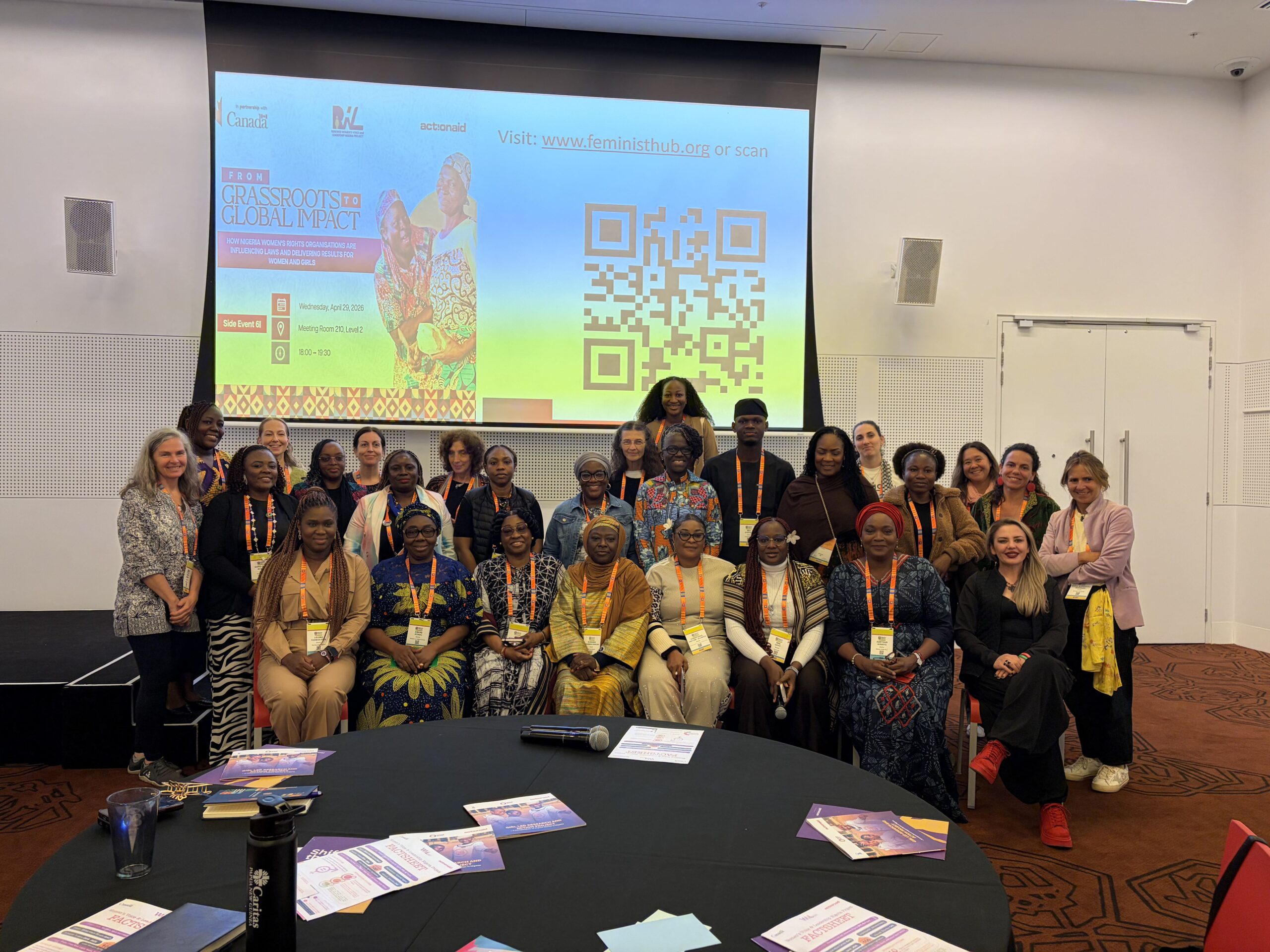
- Grassroots Women Are the Answer, Not the Afterthought: The most powerful and sustainable solutions to gender inequality are already present in local communities. They simply need to be recognised, resourced, and funded. Real change does not begin in conference rooms; it begins at the grassroots. Women Deliver 2026 was a consistent reminder that bottom-up approaches must be centred, not merely consulted.
- Climate Change Is a Gender Justice Issue: Women and girls, particularly those living in poverty, conflict, or displacement, bear a disproportionate burden of climate change. Feminist climate justice must prioritise indigenous knowledge, local leadership, and community-driven solutions rather than top-down interventions that ignore lived realities.
- The Care Economy Must Be Counted: Unpaid care work,largely carried out by women, is the invisible backbone of every economy. Until care is formally recognised, redistributed, and invested in, women’s economic participation will remain structurally limited. Programming must actively address and reduce care burdens, not assume they do not exist.
- Disability and Gender Intersect in Ways Most Programmes Still Miss: Women and girls with disabilities face multiple, overlapping forms of discrimination that most gender programmes fail to adequately address. Inclusive programme design must account for the diversity within disability, including pregnant women with disabilities, rural girls, and women with disabilities in IDP camps or prison settings.
- Climate Shocks Drive Child Marriage: Climate-related poverty and displacement are directly increasing the risk of child, early, and forced marriage. When families lose livelihoods due to drought or conflict, girls pay the price. GBV and child protection programming must now integrate climate risk as a core factor, not a peripheral one.
- Locally Led Responses to Violence Are More Effective: Decolonisingthe response to violence against women and girls means shifting power to local organisations and communities who understand the context, culture, and nuance. External approaches, however well-funded, cannot replace community-rooted knowledge and leadership.
- Grooming Women Political Leaders from the Grassroots Is Both Possible and Proven: One of the most compelling strategies encountered at the conference was the model of identifying and nurturing outstanding women from within their communities, using community acceptance as the primary criterion for selection. One panellist rose from classroom teacher to government minister through exactly this kind of deliberate, community-rooted political grooming. This resonates strongly with the RWVL political participation framework and presents a replicable model, starting from the Councillor level, as women become economically empowered in Local Reference Points.
- Feminist Leadership Must Be Built for Crisis: In conflict-affected and fragile settings, feminist leadership that is inclusive, flexible, and grounded in collective care is not a luxury but a necessity. Partners working in states such as Benue, Imo, and Plateau must be supported to develop andpractise this kind of leadership deliberately.
- Political Influence and Youth Voice Together Drive Real Policy Change: The combination of high-level political actors and young advocates produces meaningful policy outcomes. Nigeria’s First Lady is a member of the Organisation of African First Ladies for Development, and this platform represents an underutilised entry point for partners to advance youth-focused and gender-responsive policy advocacy at the highest level.
- Solidarity, Peer Learning, and Movement Building Are Strategies, Not Sentiments: Feminist movements grow stronger when they learn from one another, share strategies, and refuse to compete. The Women’s Voice and Leadership Learning Partnership model demonstrated that structured peer learning improves programme quality, sustains impact, and builds the kind of collective power that individual organisations cannot achieve alone. This must be replicated deliberately among RWVL partners.
Women Deliver 2026 reminded us that the knowledge, leadership, and solutions needed to advance gender equality already exist. What is often missing is the political will, the funding, and the structures to support them. As an organisation, we are committed to bringing these learnings into everything we do — and to standing in solidarity with the women and girls at the centre of this work.